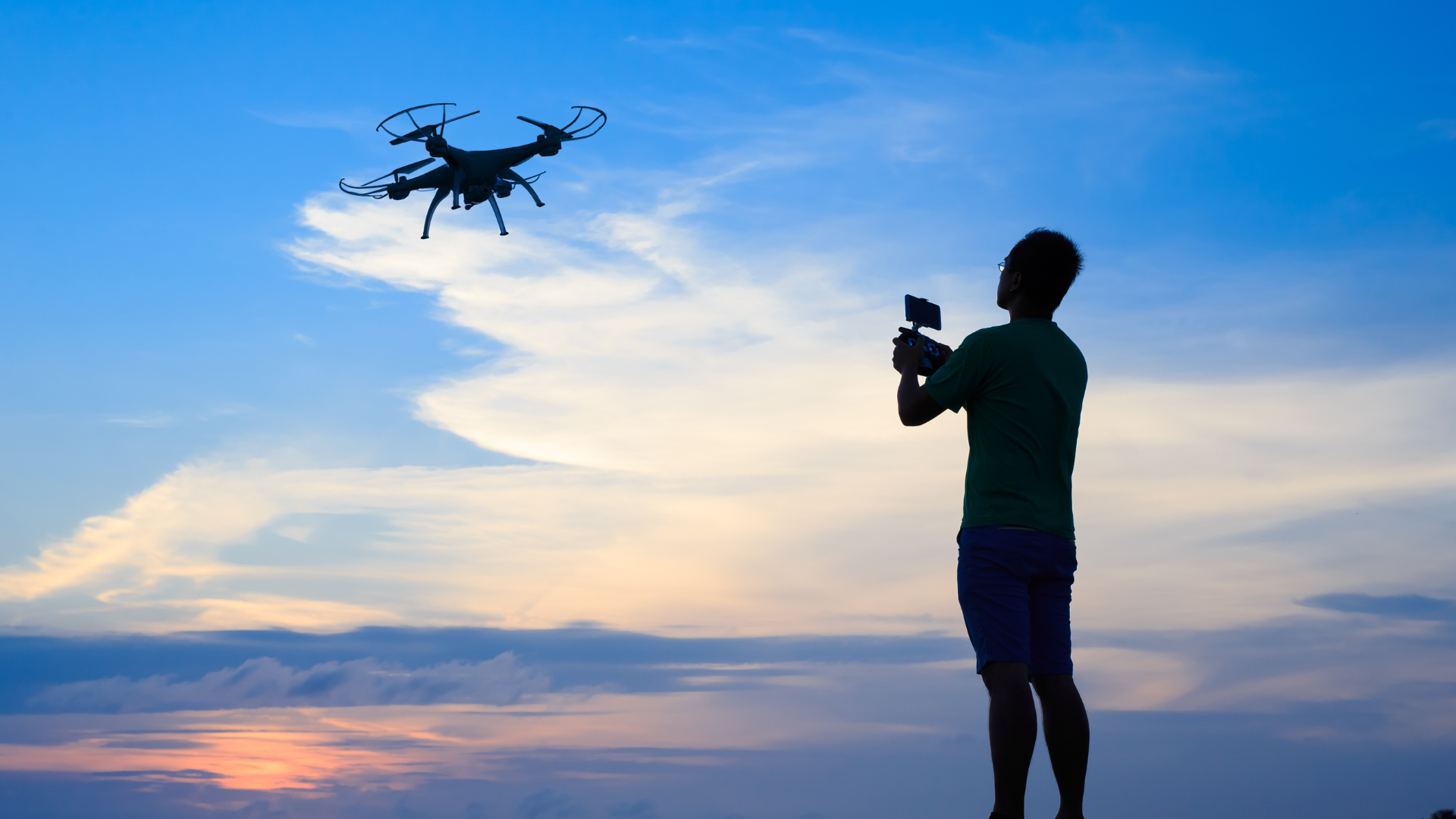
For some time now, drones have been in the news for very serious issues, such as their use as a weapon of war or the blocking of airport facilities to fly in restricted spaces for security reasons. This time, however, I will focus on a more trivial but also important situation. During a recent vacation in a coastal hotel, I had one of those experiences that, at first glance, seem like pure technological magic. One afternoon, while we guests were relaxing between the pool, bar and loungers, a small army of drones began to take off from the gardens. Music, lights, aerial choreography. The devices danced in the sky as if they were stars with motors, drawing figures and making young and old smile. The spectacle was as unexpected as it was captivating: a modern game to entertain tourists.
It all seemed like a pleasant summer anecdote… until a few months later. Following the hotel on social media —as many satisfied customers do—, I came across a beautiful promotional video: drone footage flying over the grounds, the pool, the gardens full of life. And there, amidst laughter and swimsuits, I was out there. Very recognizable. Without having signed any authorization, I was now an involuntary part of an advertising campaign.
It's easy to think that nothing is happening, that it's an innocent scene. But behind it lies a very important underlying issue: the right to privacy. According to theCatalan Data Protection Authority (APDCAT), when a drone captures images of identifiable people, it is no longer just a toy or another camera: it is a tool that processes personal data. And that brings responsibilities.
Companies that use drones —whether for security, promotional or entertainment purposes— must comply with data protection regulations. This means informing in advance about the recording, marking the flight area, avoiding capturing people without consent, and, above all, not using the images for commercial purposes unless express authorization has been obtained.
For our part, as citizens, we also have rights. If we recognize ourselves in a video broadcast without permission, we can request its removal and exercise our rights before the responsible entity or, if necessary, file a complaint with the APDCAT.
Technology can do visual wonders, and drones have opened up a world of creative opportunities. But just because a camera is small and flies doesn't mean it's above fundamental rights. Privacy, image, and consent remain sacred ground - even if the shot is aerial.